

How Cats and Dogs Handle Pet Loss
Pet parents grieve terribly when a pet dies, but what happens to the other pet in the household when a member of the pet family passes away? In this episode […]
Hi everyone, and thanks for joining me on this episode of Val Talk’s Pets. Fur babies, fur kids, Mum and Dad, are we humanizing our pets too much to the point where their well-being is at stake? Let’s go exploring.
The “fur baby” culture or anthropomorphism of pets has some veterinarians concerned. Many vets are concerned that the “fur baby” culture is driving animal welfare issues. So, what exactly is “fur baby” culture? Fur baby culture apparently “refers to the society shift where pets, particularly dogs and cats, are treated as children, family members, or close companions rather than working animals.” To connect this to what the vets are concerned about, it also “highlights a trend of intensive pet care, using human-like nurturing behaviours and emotional, often financial, investment, leading to increased veterinarian services.”
Let’s go back a bit and look at the evolution of the fur baby. For thousands of years humans have had pets as animal companions. Dogs often had a doghouse outside and cats roamed at night. Even old shows like The Flintstones and Bewitched, show in the opening, the cat being put out at night. To be honest, I have no idea why people did that. Pets were pets, not fur babies.
The 21st century drove the fur baby culture. Millennials and those without children would often invest in pets in the same way that parents did with their children. As couples made the decision to not have children, they filled their caretaking desire with pets. Living alone in cities drove many people to get a pet to feel less lonely and give them a human-like interaction. People could talk to their pets, enjoy food together, time outside, cuddle on the couch for a movie. The companionship a pet gave and still does is vital.
Then there was the shift from pet owner to pet parent. I have been in the pet industry long enough to know that shift began a few years ago. The word owner was always used, but now, no, it is pet parent. And this term is now part of the vernacular used by pet companies and retailers. This is a huge shift because it reflects the deep emotional bond we have with our pets. 81% of people with pets consider them part of the family. People say this all the time. “Well, our pets are part of the family. I would do anything for my dog or cat.”
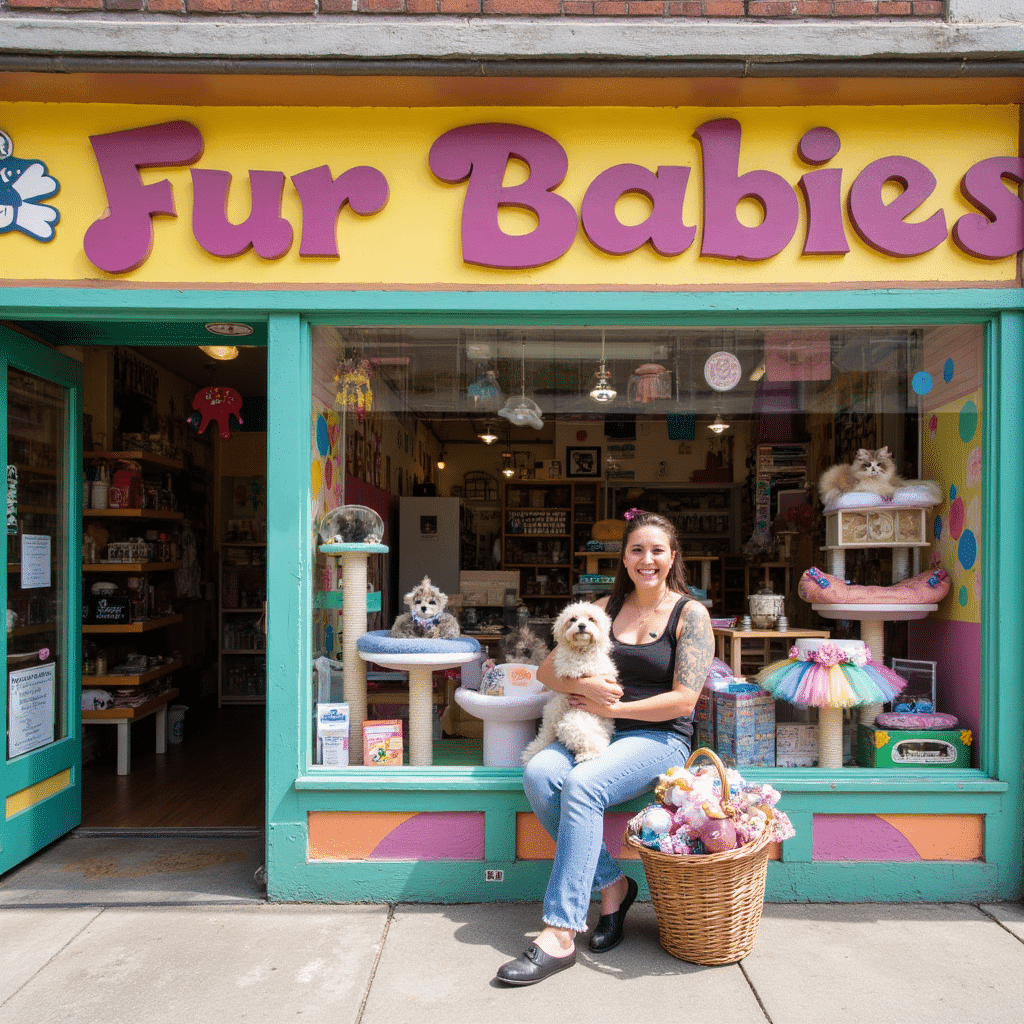
The movement to family member, a role more like a child, had retailers and the pet industry respond in kind. This created a premiumization. Retailers started offering high-end services such as organic food, and luxury accessories. Day cares for dogs became on trend as well as pet insurance and physiotherapy centres, aqua facilities, just to name a few. People with a bit more disposable income began spending more on their fur babies and this led to a surge in pet-related spending.
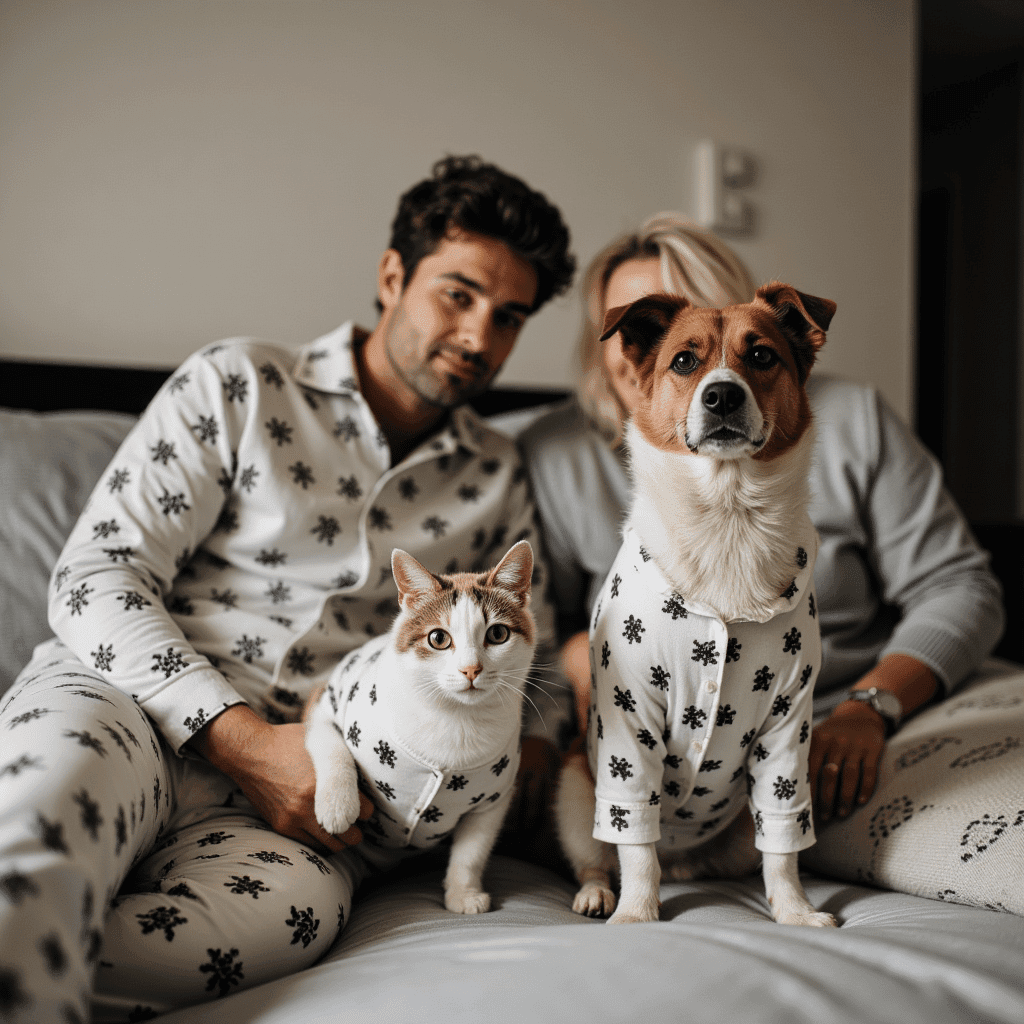
It also began a surge in attributing human-like qualities. For example, the pet apparel business is quite something. Halloween costumes for dogs are huge! People love getting cute costumes for their dogs and as part of the family, they go trick or treating with their human “siblings”. There are Halloween parties for dogs with costume fashion shows. Christmas apparel is also big with sweaters and pj’s. Some, actually have matching Pj’s for the whole family, dog or cat included. There is wedding apparel available for dogs with cute dresses or tuxedos. You can do just a bandana. Or you could get a nice floral headpiece or bowtie with a ring bearer’s pouch. Dogs in a wedding? Well, that is more the norm than you think.
There is also seasonal clothing. Sweaters for fall, raincoats for spring, winter coats and snowsuits, boots for winter, boots for summer. Summer hats, cooling vests and bandanas. And don’t forget sports teams jerseys and bandanas.
Let’s face it. Humans love to dress up their pets. Anthropomorphism is nothing new. We wouldn’t have a single beloved children’s story if we didn’t assign human traits to animals. A woman told me that she puts dimes in her dog’s bank. She has a piggy bank of her own. Then she said, “that dog is like a kid to me, she means everything.”
And all of this accelerated during Covid. Lockdowns and working from home, created a surge in pet acquisitions. People turned to animals to create a central emotional support system. The “humanization” of animals at this time increased as people isolating depended more and more on their pets. The mental health benefits for reducing loneliness and stress was crucial as people navigated through uncharted territory.
Unfortunately, there was also a huge fallout from this surge. Dogs were not being socialized properly which led to many behavioural problems. As things started to return to more normalcy, dogs and cats that were used to their human companions being with them constantly, found themselves home alone and these changes caused huge issues around separation anxiety, fear-related and aggressive behaviours. Not to mention, that hundreds of dogs were being surrendered to shelters because of these behaviours or because returning to normal living meant the pet no longer had a role or fit the lifestyle.
However, having said that, there were many people who embraced pet parenthood instigated by Covid and have wholeheartedly embraced having a fur baby; fur baby being the operative word here. The embracing of pet parenthood and the inclusion of a pet into the family as a valued member really rose because of Covid. So, good and bad all round.
This increase and embracing of pets as family members has opened a world that was never seen a decade ago. Who would have thought that birthday gifts and parties for a pet would take place? Gotcha Days would also be celebrated for pets that were adopted when a birthdate is unknown. Playdates, dog parks, pet sitters and walkers. And if you access my episode on “How pet friendly is your country?” The idea of including our pets at restaurants, events, etc. is completely on the rise and already embraced in some countries. The acknowledgment here is that pets are family.
I think we can all agree that the transition from pet ownership to pet parenthood is a real thing and it’s here to stay. And it is for this reason that there has also been a change in veterinarian care. In the last few years, the cost of veterinarian care has risen exponentially. The rampant acquisitions of veterinarian clinics by large corporations is partially to blame for this.
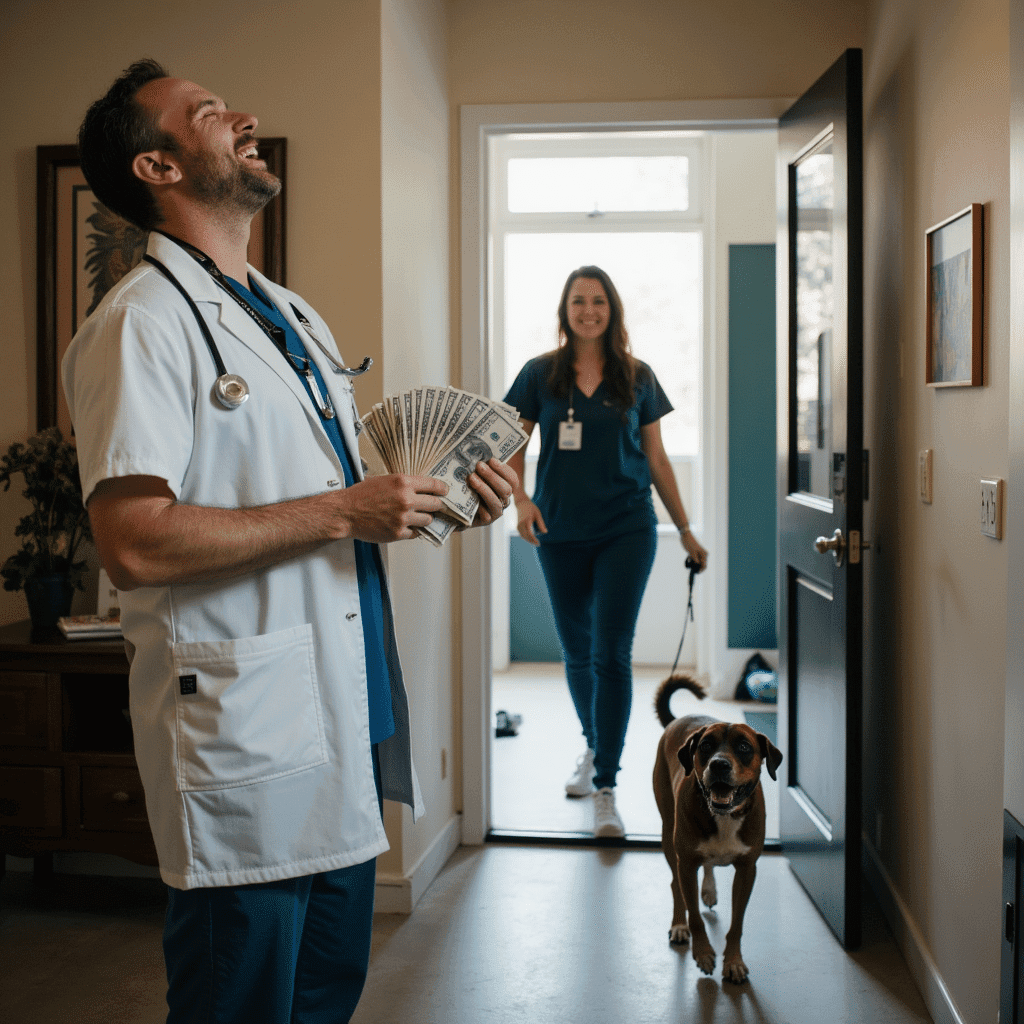
In my episode on the “Corporatization of Veterinarians”, one of the key issues I impart is that the corporation is a beast and the beast must be fed. These corporations know that there has been a huge shift in the lengths people will go, to save a pet or to prolong life.
I remember an episode of The Big Bang Theory, when Rajesh’s Yorkie Cinnamon ate a box of chocolates at Leonard and Penny’s. When Raj found out Cinnamon was at the vet, he burst into the exam room and declared to the veterinarian, I don’t care what you have to do. I’ll pay to get another dog and scrap it for parts! Of course, this was a joke, but it does emphasize the fur baby culture, where a pet parent will do anything for their pet.
So, what is it that vets are really concerned about when it comes to fur baby culture? One of the top concerns is identified as overtreatment and extended suffering. In veterinarian care, there is now more and more technology available and some of these high-tech treatments like oncology or neurosurgery are being demanded to prolong pet’s lives, even when quality of life is low.
Another top issue that has vets concerned is the excessive anthropomorphism. The treating of pets like humans can lead to inappropriate diets. The other issue about treating pets like humans is with regards to behaviour. Some dogs or cats can exhibit quirky personality traits that are often equated to similar traits exhibited by humans. In a human, a certain trait may just be quirky, but in a dog or cat, this behaviour could mean something much deeper.
I think we can see the concern faced by veterinarians over the fur baby culture. In some ways it is a fire that feeds the gluttony of corporate vet clinics, but it also stresses good vets as they are put in compromising situations that can easily lead to burn out.
Getting a pet really does mean it is part of the family. What is the point of having a pet if it is left outside all the time and treated like it doesn’t exist? That is cruelty.
So, fur baby culture is here to stay. In many ways, I see it not as a fur baby thing, but a transition and an evolution to treating animals the way they should be treated.
The best way to keep our family members from the fur category fit and healthy is to keep them safe, happy and included, and to stay up with new innovations and knowledge, because as I say, knowing is caring.

Hi everyone, and welcome to Val Talk’s Pets, the forum for pet parents and enthusiasts alike. So, I have been working in the pet industry now for almost 10 years and, on a daily basis, I handle a lot of issues and questions arising from pet parents. I am not a veterinarian but I do have certifications in Canine, Feline, Small Animal, Fish and Herptile and Avian Health and Nutrition from the University of California, Davis Extension, the Vet College.
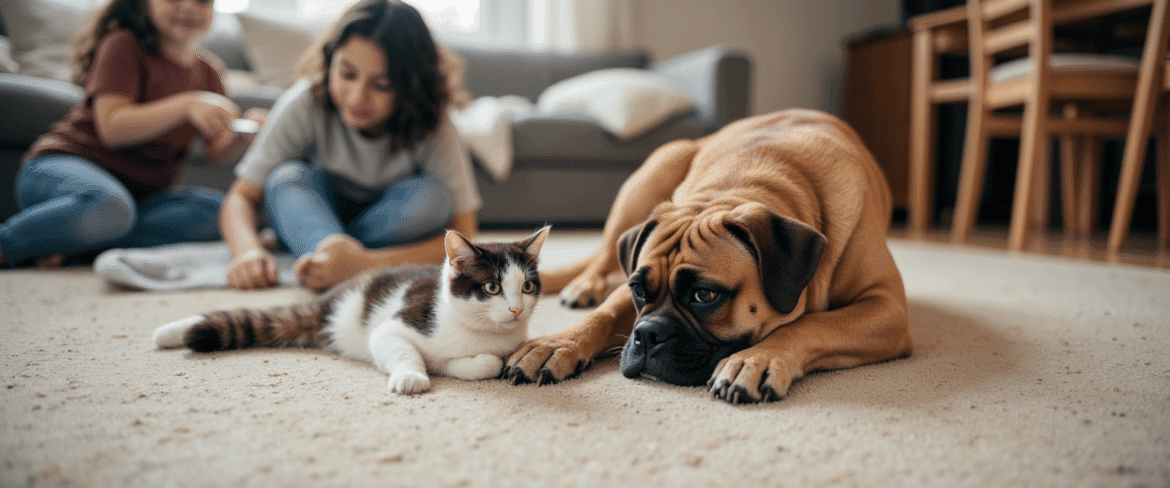
Pet parents grieve terribly when a pet dies, but what happens to the other pet in the household when a member of the pet family passes away? In this episode […]


Comments are closed.